It’s Flood Action Week
It’s the national Flood Action Week and we’re encouraging you to take simple steps to prepare for flooding and be ready for periods of heavy rainfall.
As the impacts of climate change become increasingly evident, communities across the country are experiencing more frequent and intense weather events.
Recent years have shown the disruption and damage flooding can cause, highlighting the importance of both individual preparedness and long-term action to improve resilience.
We are encouraging you to understand their flood risk, prepare a flood plan and sign up for warnings before flooding happens.
Many communities across Central Bedfordshire have experienced flooding in recent years, and while no area can ever eliminate flood risk completely, both you and public bodies can take steps to be better prepared.
We are supporting the Flood Action Week campaign through our Flood Ready Together initiative, which provides practical guidance to help you prepare for flooding.
This includes a free Household Flood Plan that can be downloaded and completed in advance, helping you identify important contacts, plan for emergencies and know what action to take if flooding occurs.
You can also access practical advice, checklists and information about local flood resilience projects through our website.
Alongside helping you become more flood resilient, we continues to invest in a range of measures designed to help communities adapt to a changing climate. From natural flood management and sustainable drainage to targeted flood risk infrastructure improvements and enhanced monitoring, work is taking place across Central Bedfordshire to reduce flood risk and improve resilience to more extreme weather.
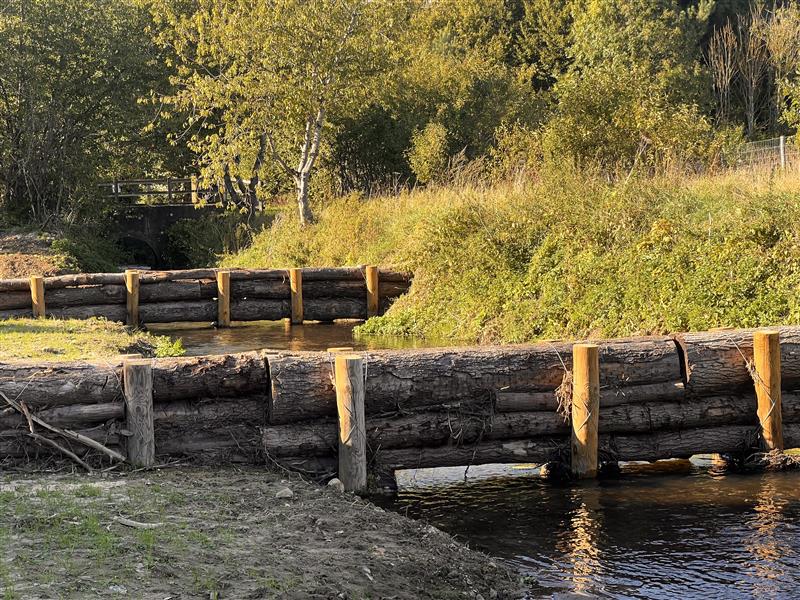
This includes the ongoing ResilienTogether programme and the Slow the Flow project at Etonbury Woods (pictured below), where natural flood management measures are helping to slow and temporarily store water within catchment, while enhancing local habitats and biodiversity.
The project includes floodplain restoration, tree planting and timber leaky barriers designed to work with natural processes to manage water.
Elsewhere, we are delivering a range of projects aimed at reducing flooding and helping communities become more resilient to extreme weather. This includes delivering surface water drainage schemes in locations such as Blunham, West Hyde and Caddington, helping to address local flooding issues and improve the resilience of roads, homes and communities.
Sustainable drainage planters have also been installed in partnership with local communities in a number of locations, helping to capture and manage rainfall closer to where it falls. These features not only help reduce pressure on conventional drainage systems, but can also enhance local public spaces and demonstrate practical ways of managing water more sustainably.
We’re investing in monitoring equipment that provides better information on rainfall, water levels and local flood conditions. Alongside this, we work with partners, landowners and local communities to support long-term flood resilience, including encouraging good watercourse management and supporting opportunities that help communities adapt to changing weather patterns.
We are also partnering other organisations on projects like the Environment Agency-led works undertaking hydraulic modelling on Clipstone Brook, and some natural flood management in the Brook’s upper catchment, being delivering by the Internal Drainage Board.
Together, these measures form part of a long-term approach to reducing flood risk and building resilience to more frequent and intense rainfall.
Flooding can’t always be prevented, but there are practical steps you can take now, and support is available including the Flood Ready Together guide, Household Flood Plan and BeFloodReady resources.